
Our Purpose
Restoring the connection between intent and action
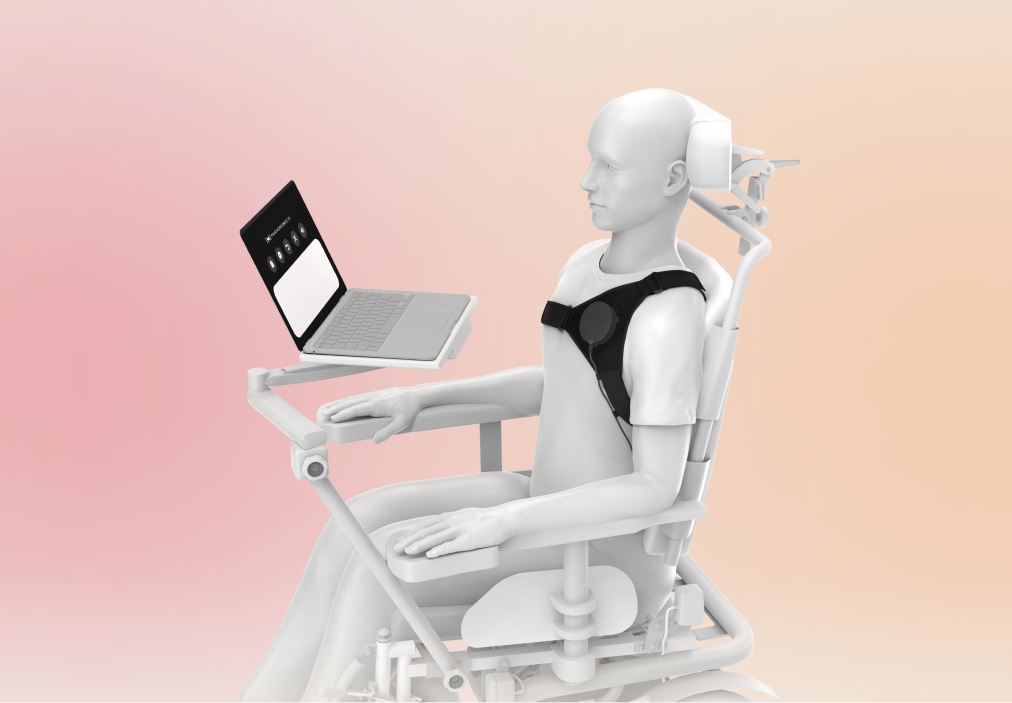
Communication is a fundamental human need. Connexus BCI is designed for people whose ability to speak or control technology has been limited by severe motor impairment caused by conditions such as ALS, spinal cord injury, or stroke. By capturing neural activity at individual-neuron resolution and translating intent into speech, digital control, and movement, Connexus is engineered to restore a more direct connection between thought and action.
Its purpose is to give people greater independence and the ability to participate more fully in life, restoring capabilities lost to disease or injury and replacing limitation with greater possibility and hope.
Introducing Connexus BCI
Designed for performance, safety, and durability
Advanced neurotechnology, built on decades of brain-computer interface research, refined through relentless engineering, and designed for long-term medical use.
This is Connexus BCI.

The data difference
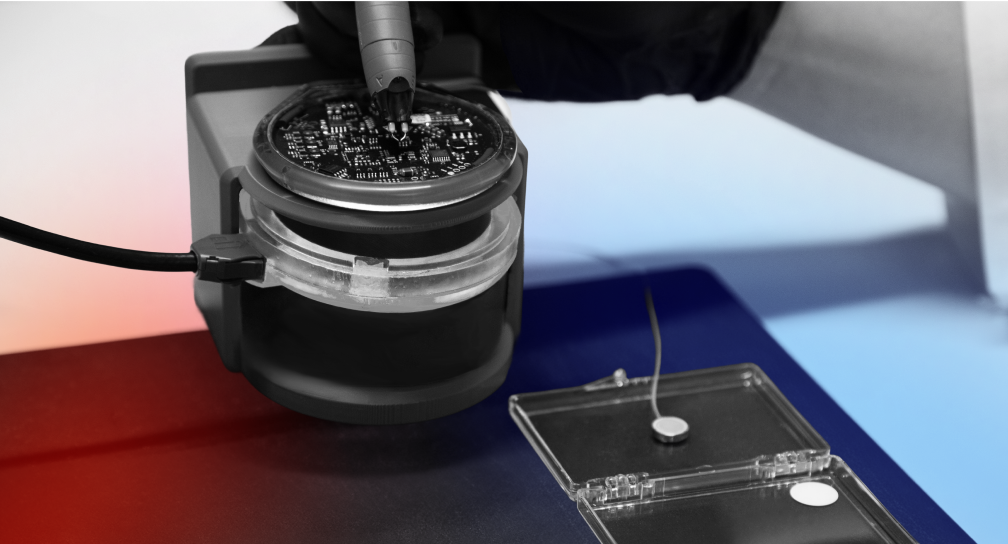
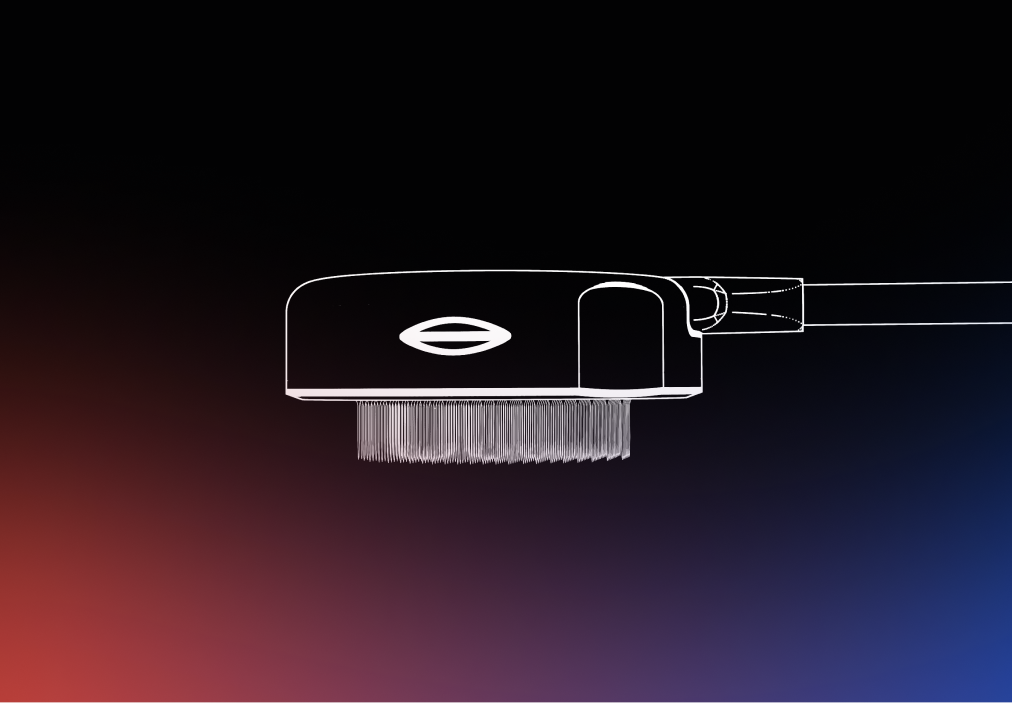
421 microelectrodes, each smaller than a human hair, reach 1.5mm below the brain's surface to capture signals from individual neurons as they fire. This level of resolution enables a clear picture of the user's intended action. In pre-clinical testing, the Connexus BCI demonstrated an information transfer rate exceeding 200 bits per second (bps) – 20x faster than existing BCIs.

Safety by design
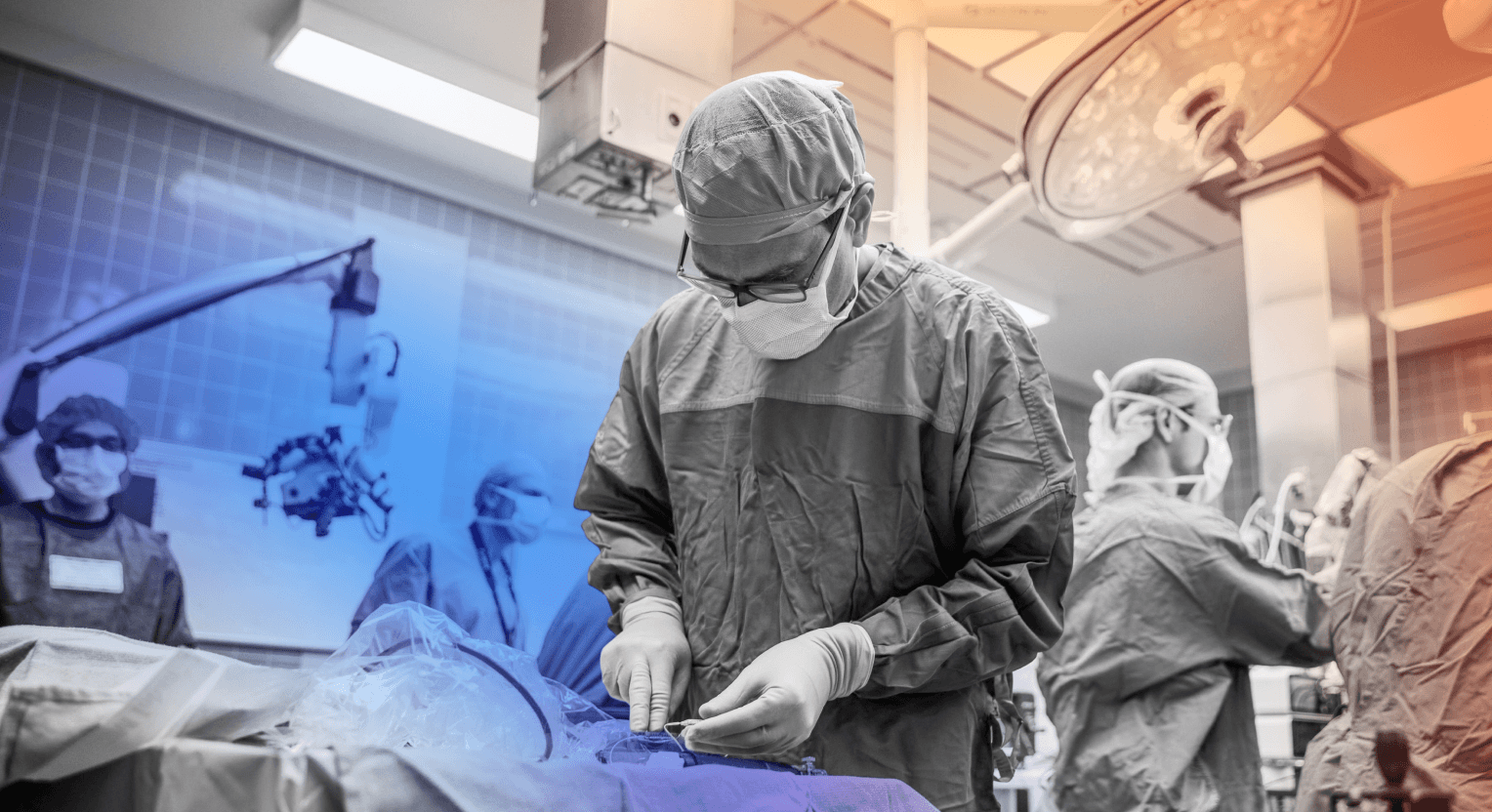
Every component within the Connexus BCI was thoughtfully selected to avoid risk. It uses medically proven materials and packaging technology and is implanted using surgical steps that are already familiar to nearly every neurosurgeon. The Connexus BCI is designed to deliver the safest possible path from development to patient use.
Built to last
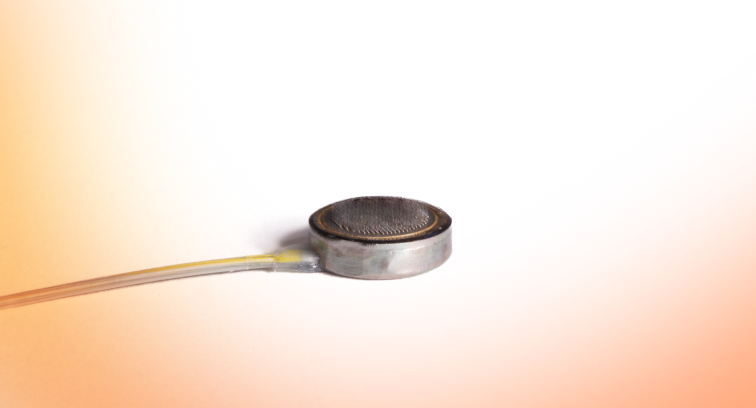
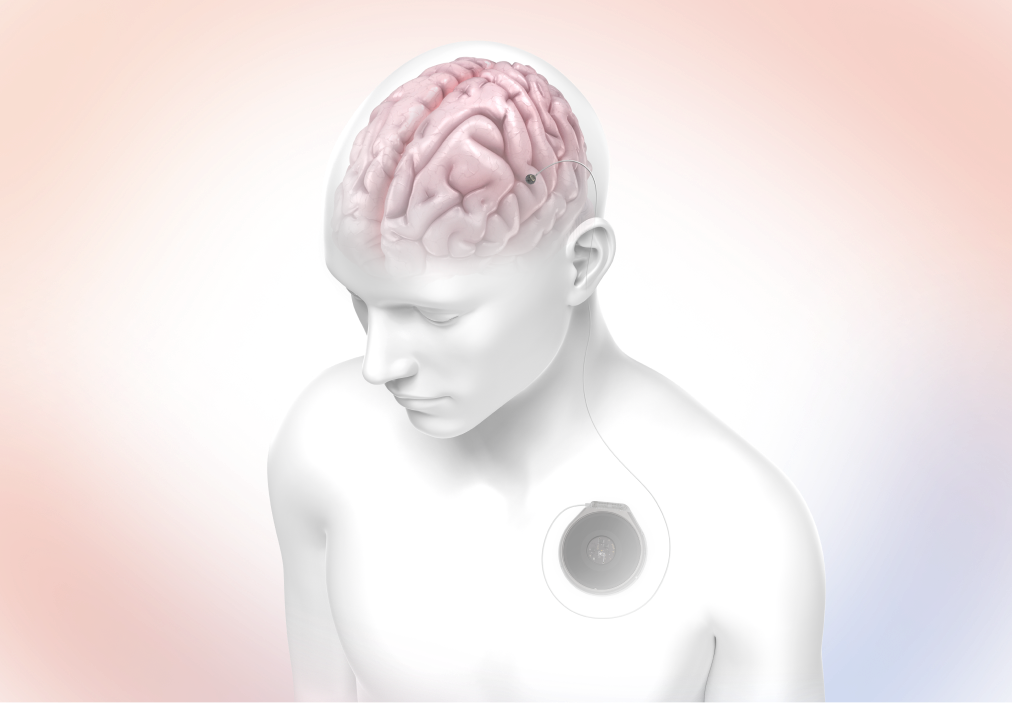
The Connexus BCI is a fully internalized, fully wireless system. It is hermetically sealed against moisture to protect it from the body. Every design choice prioritizes longevity because every BCI user deserves a device that is engineered to last as long as needed. The goal is stable neural recordings for more than 10 years.
how it works
From neural signals to natural speech
Surgical placement
Neural Signal Capture
Wireless Transmission
Ai-Powered Translation
Connect-One Clinical Study
Transforming neural intent into real-time communication
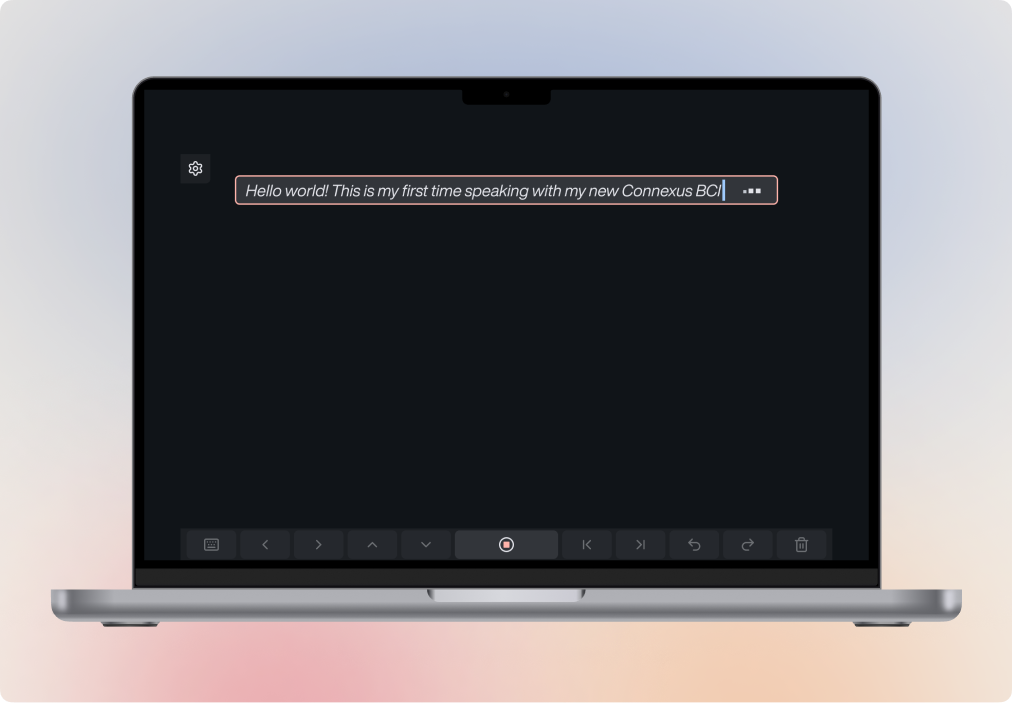
The Connect-One Clinical Study is evaluating the performance of Connexus BCI in people with severe motor impairment. In its first participant, Connexus is decoding neural signals to produce real-time speech, marking a major step toward restoring direct communication.
The study is advancing a future where people can communicate, control technology, and participate more fully in life with greater independence.